Salmon
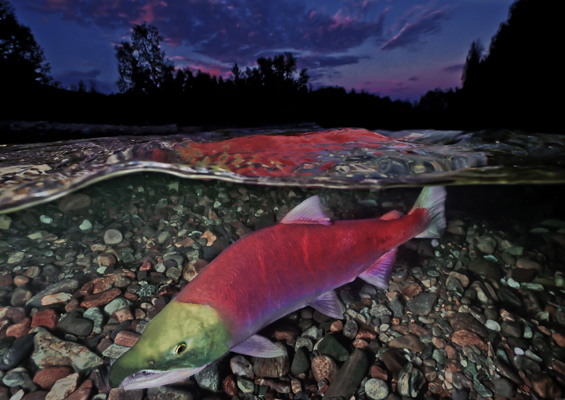
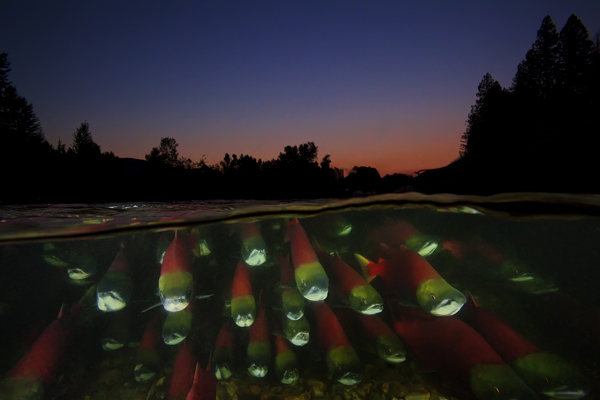
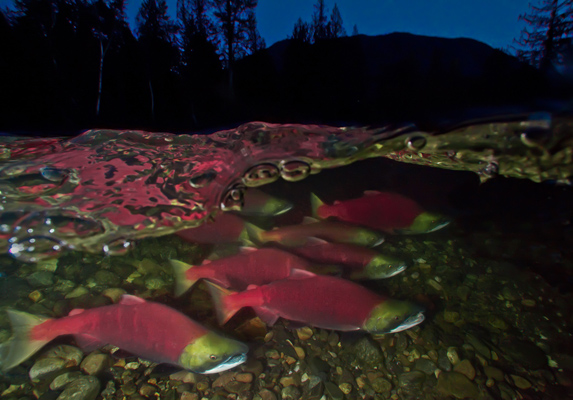
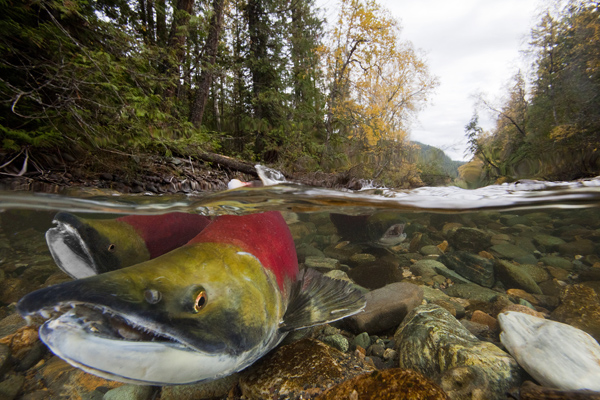
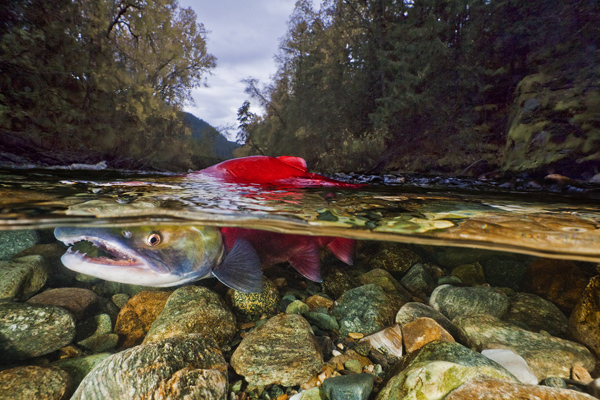
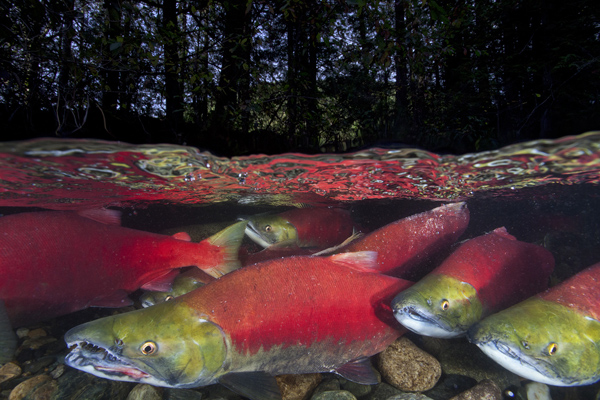
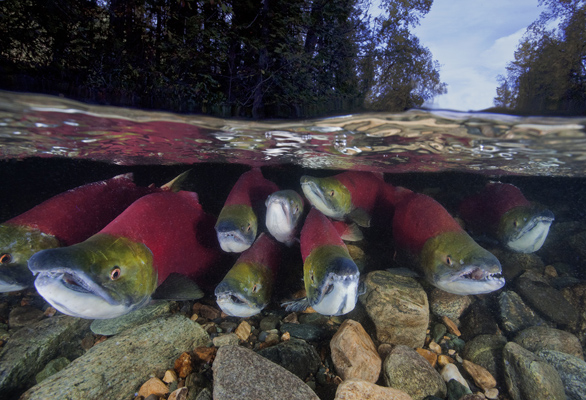
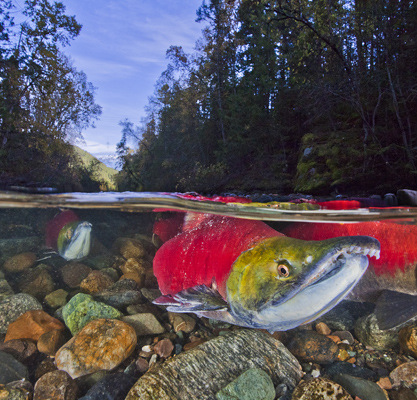
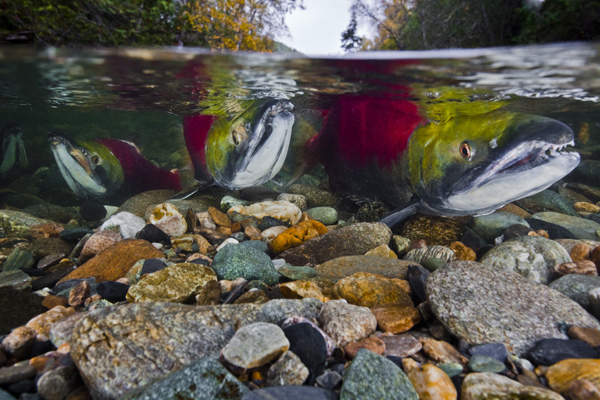
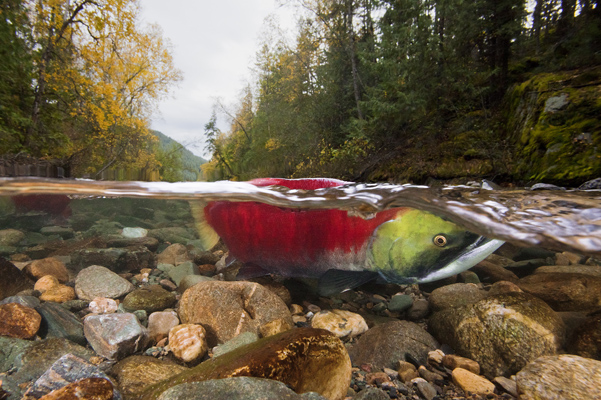
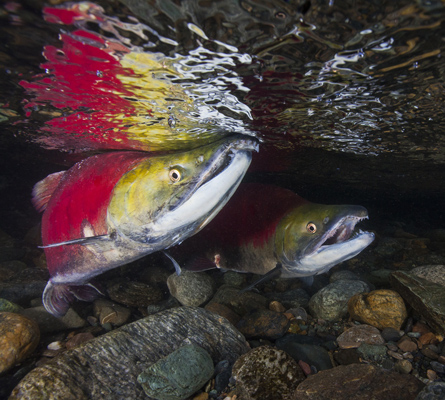
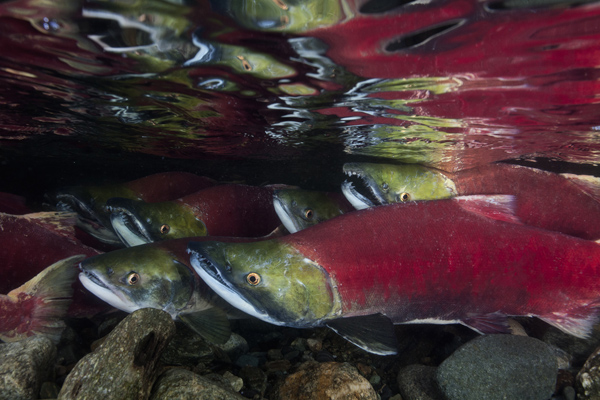
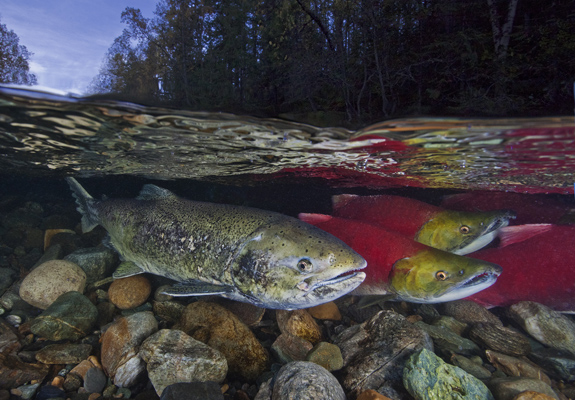
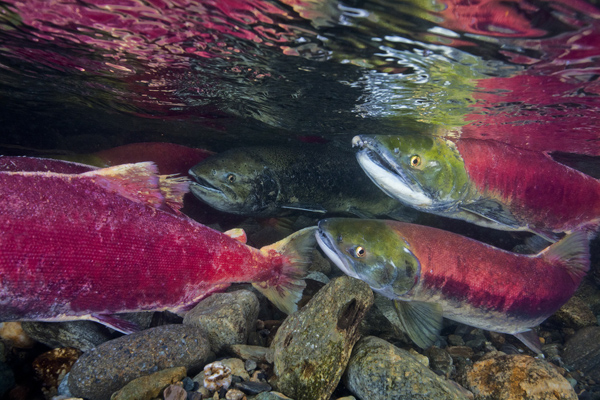
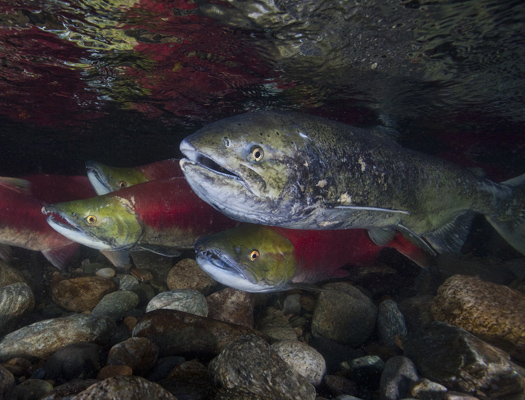
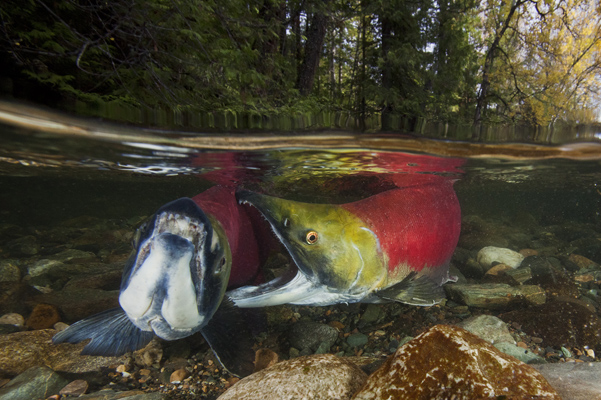
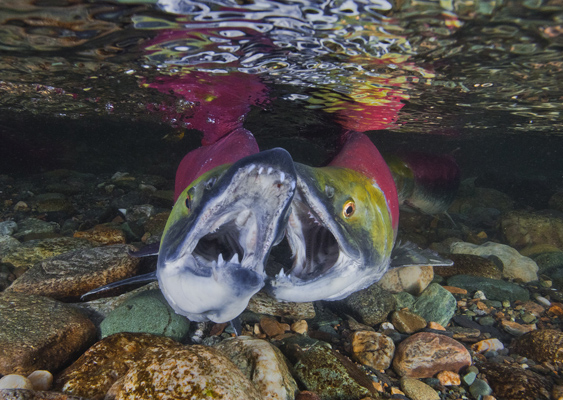
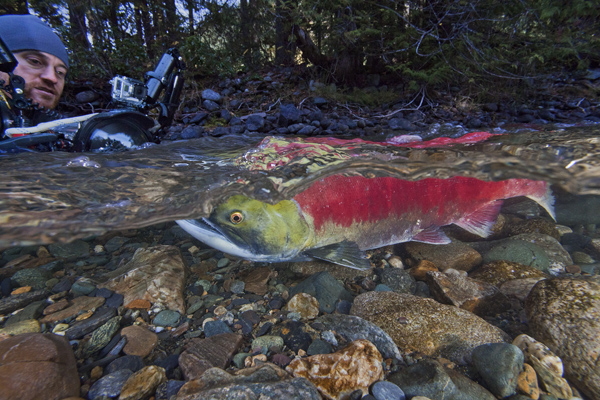
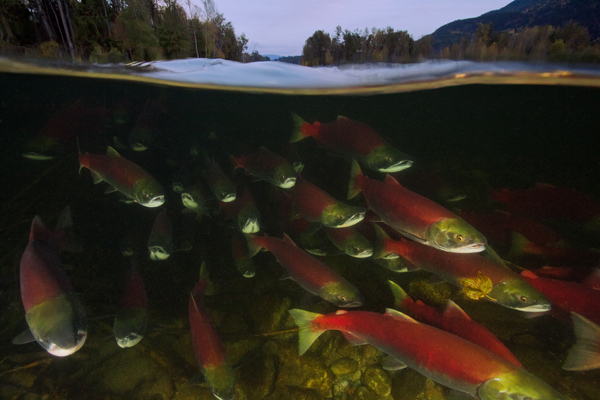
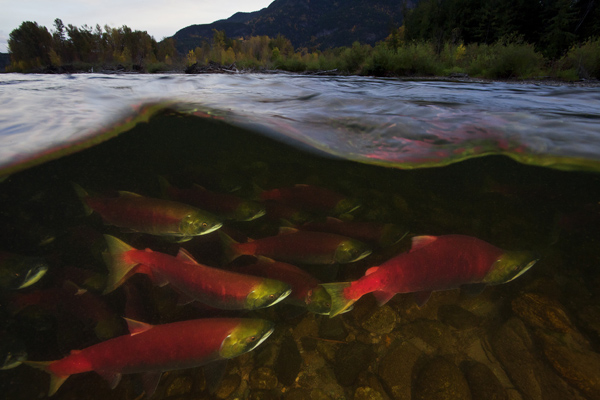
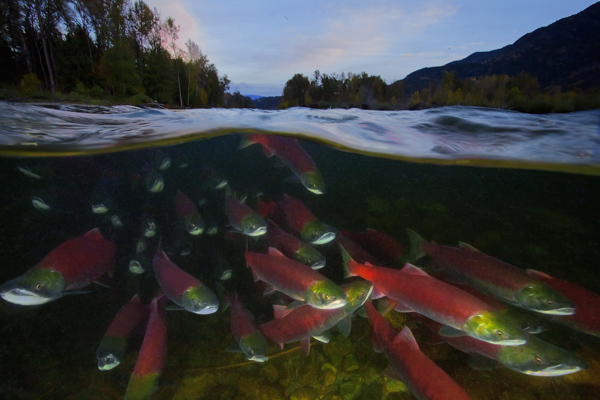
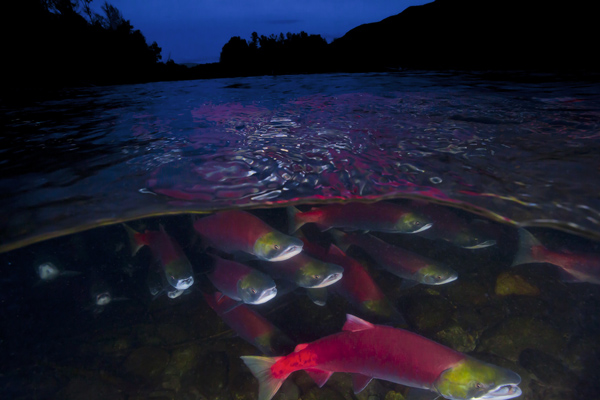
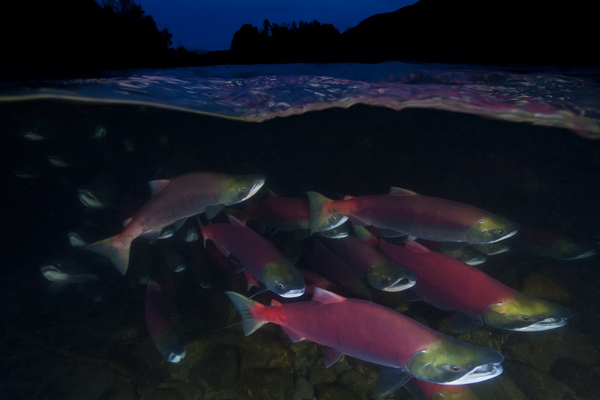
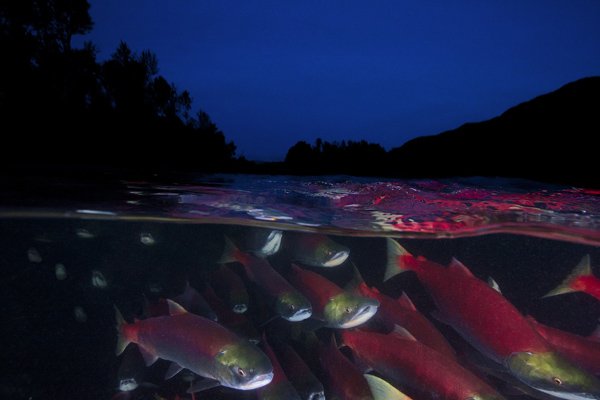
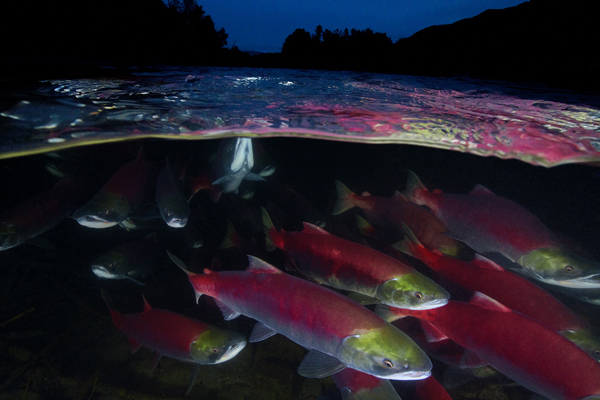
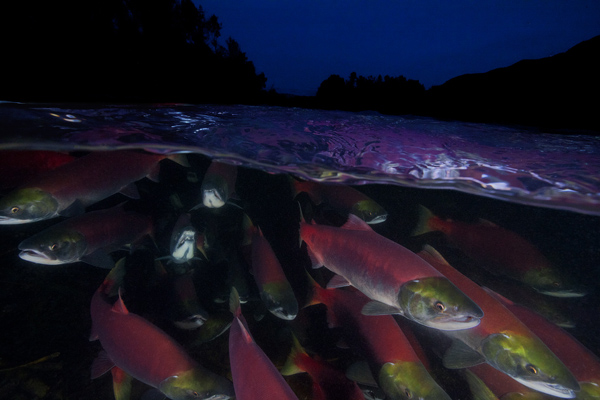
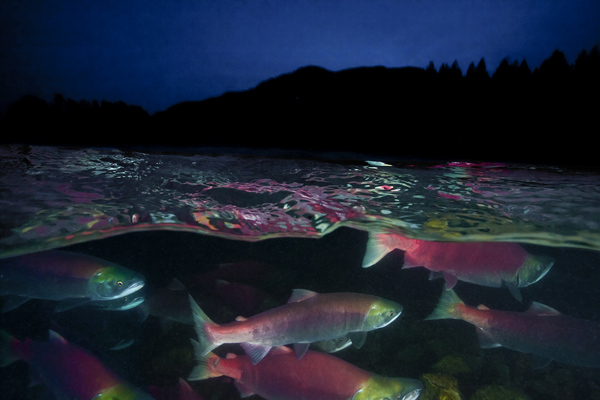
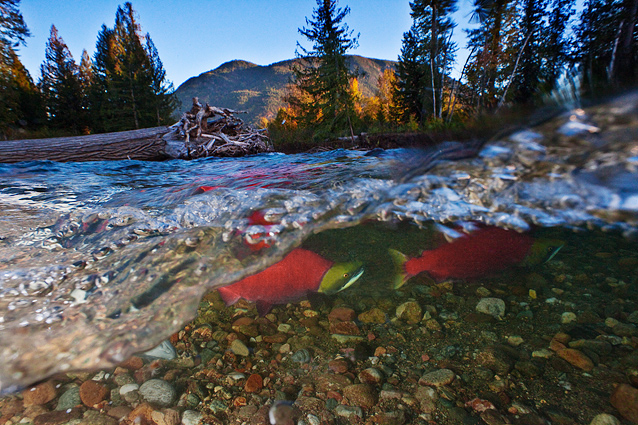
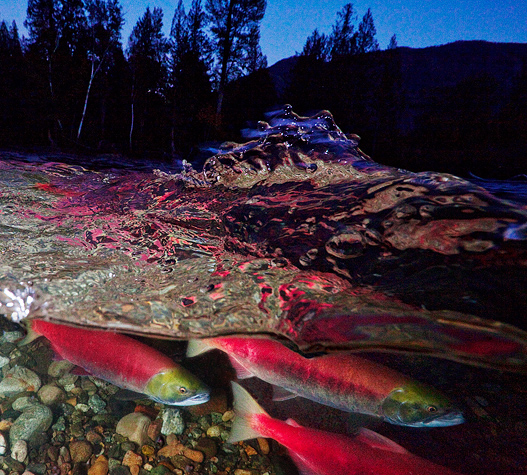
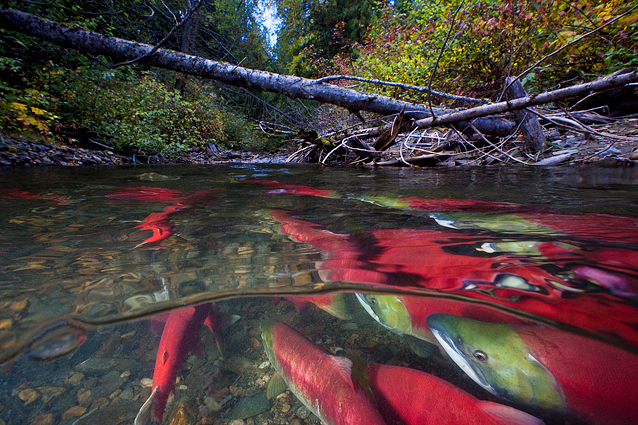
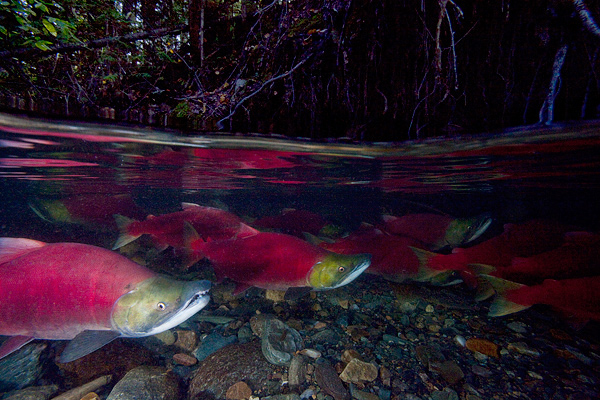
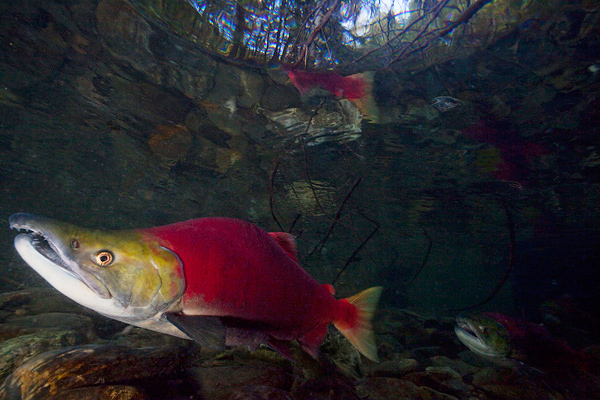
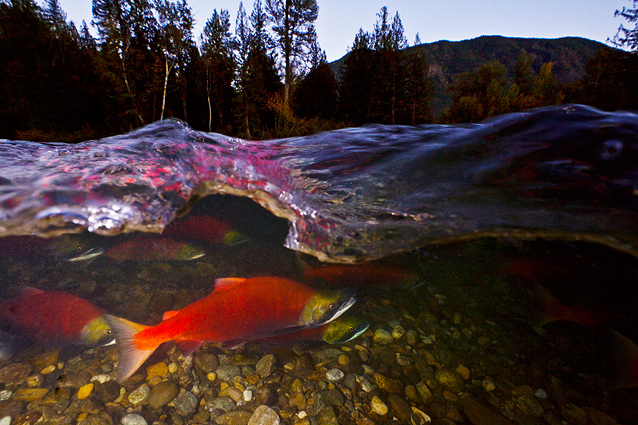
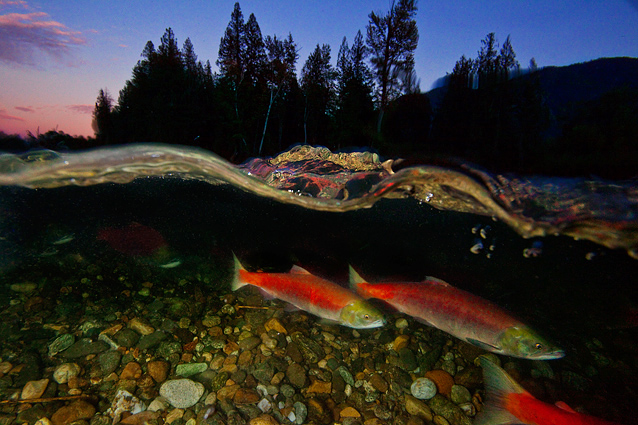
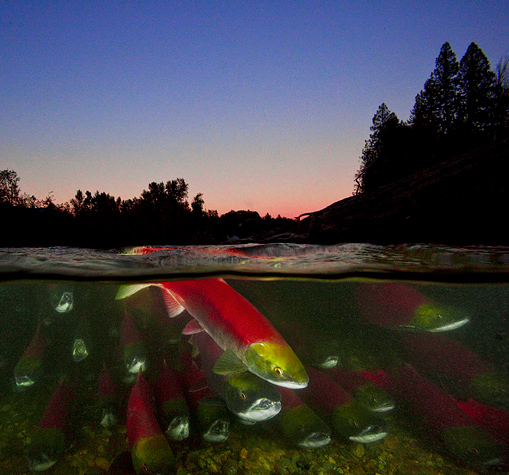
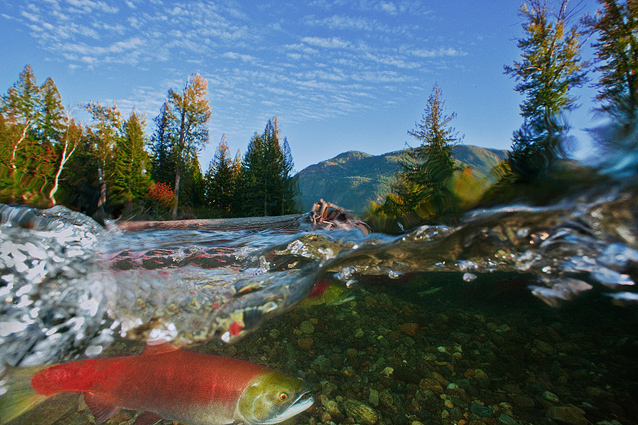
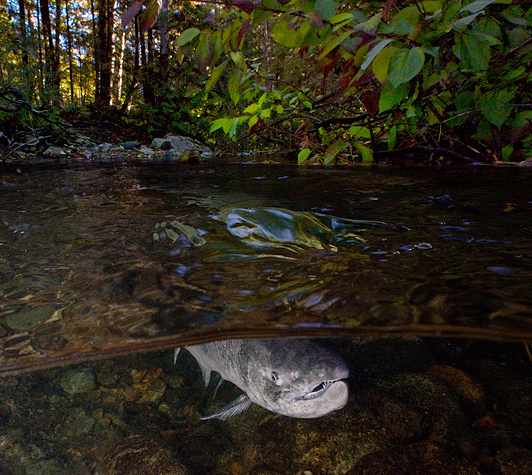
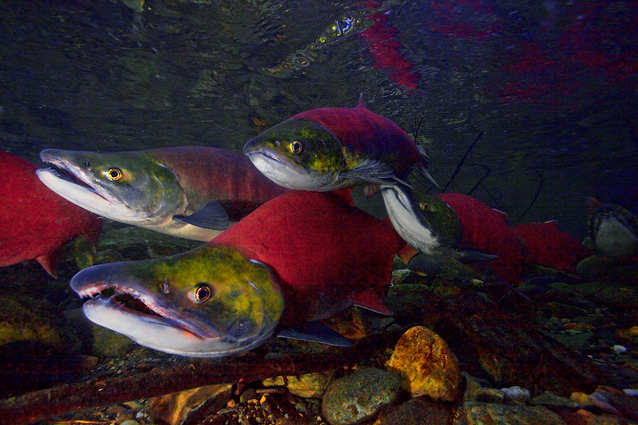
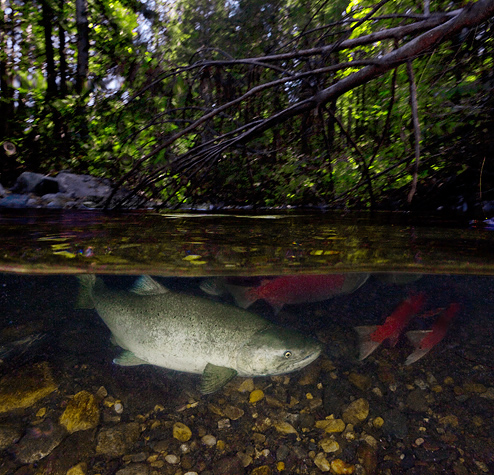
Like other species of Pacific salmon, sockeye must return to the stream in which they were hatched in order to spawn. This requires an arduous journey often hundreds of miles long battling the current of a major river, as well as manmade impediments such as dams and animal predators such as raccoons, bears and ospreys. During the journey, sockeye undergo extensive anatomic and metabolic changes, triggered by their entrance into fresh water. Silvery blue in the ocean, the fish become bright red with yellow-green faces; males develop hooked teeth and a hooked upper jaw, as well as a humped back. The relatively few fish that complete the journey have the opportunity to reproduce, soon after which they die. Their decomposing bodies are eaten by a variety of organisms and, in the end, provide nourishment for the surrounding forest.
British Columbia
British Columbia
British Columbia
British Columbia
British Columbia
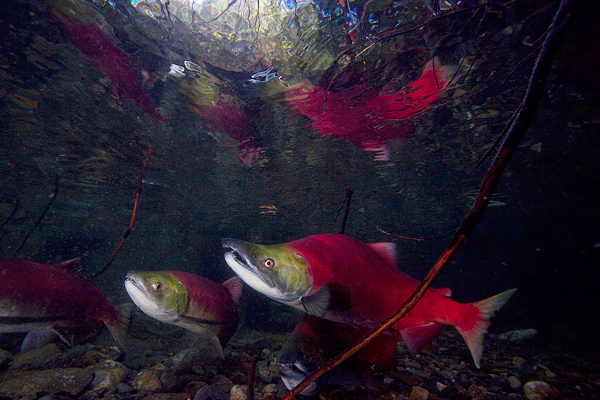
British Columbia
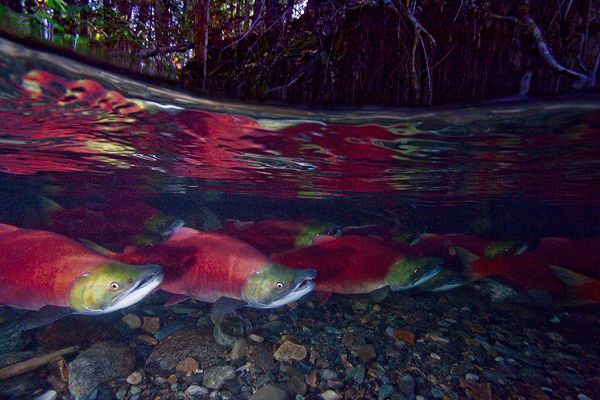
British Columbia
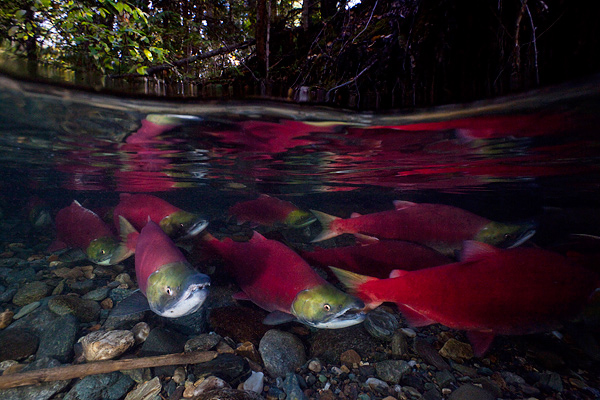
British Columbia
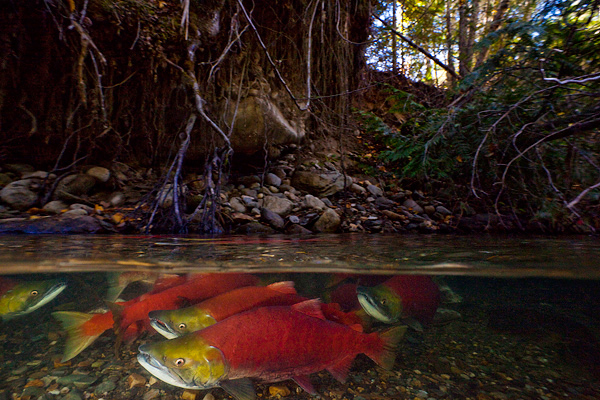
British Columbia
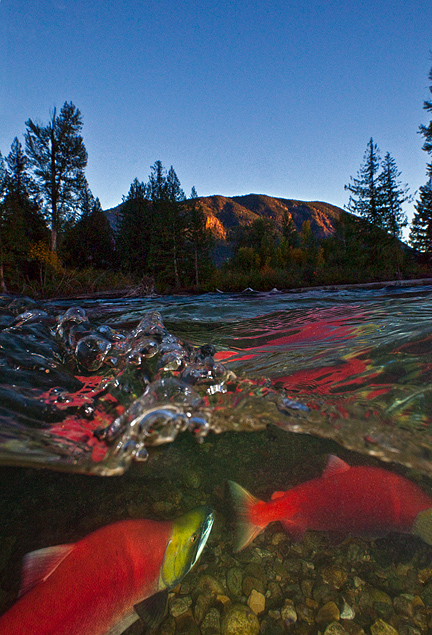
British Columbia
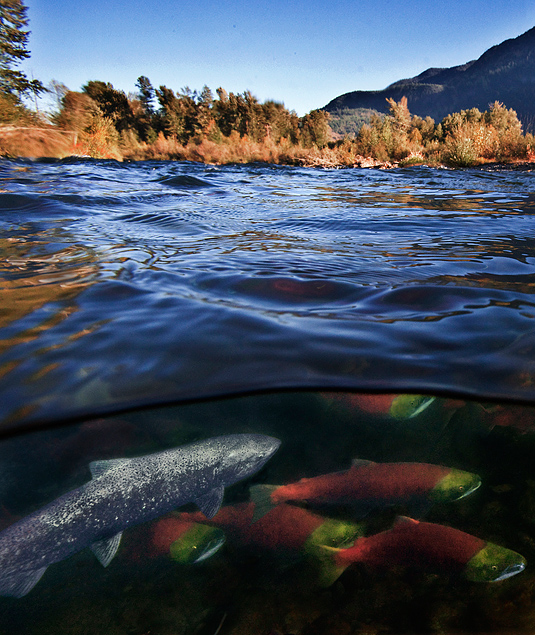
British Columbia
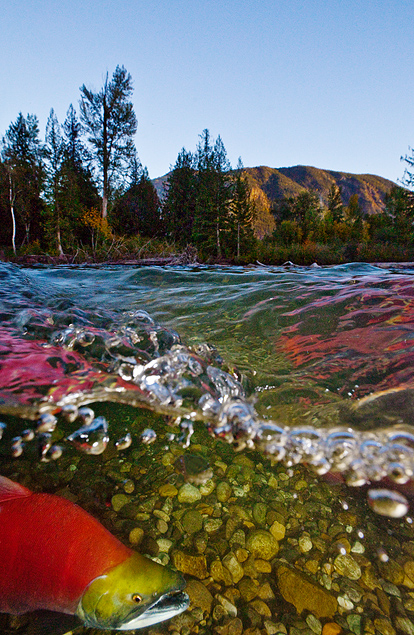
British Columbia
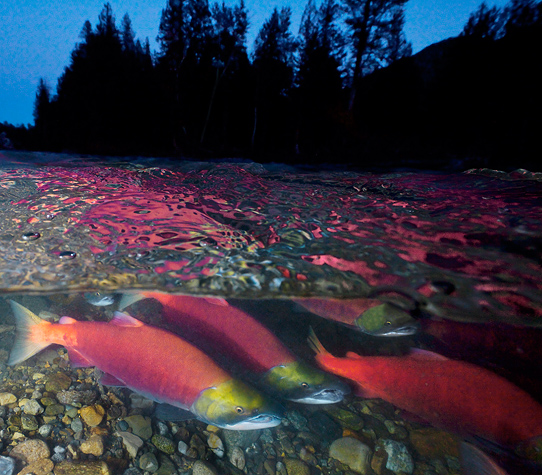
British Columbia
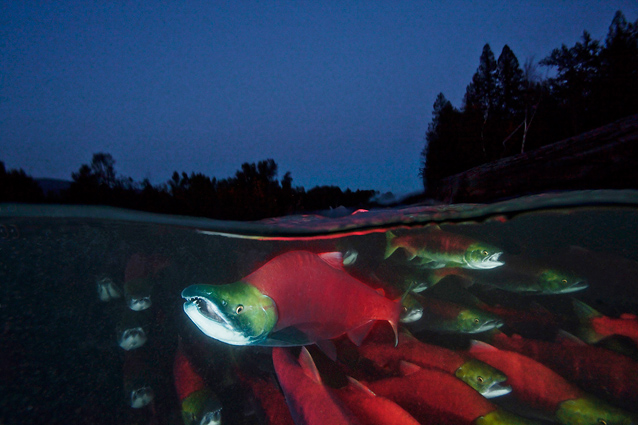
British Columbia
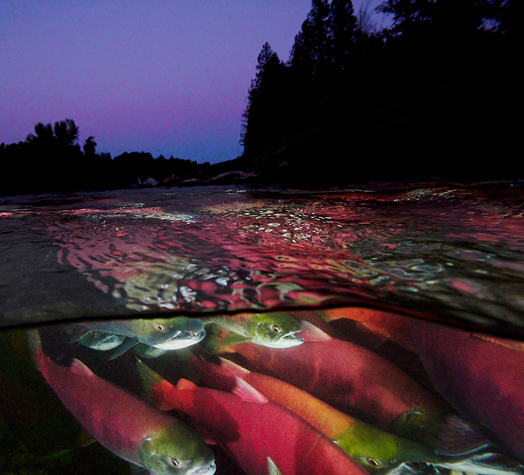
British Columbia
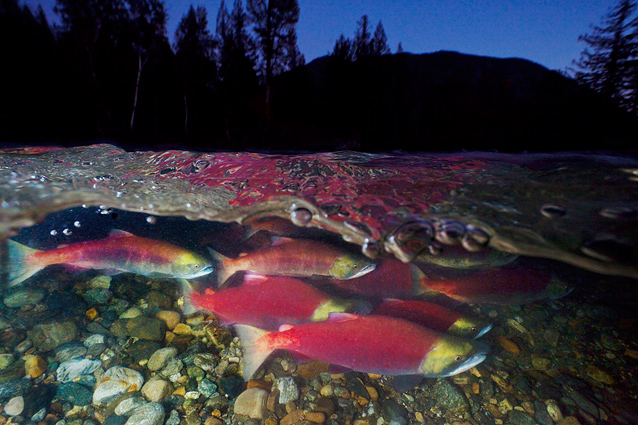
British Columbia
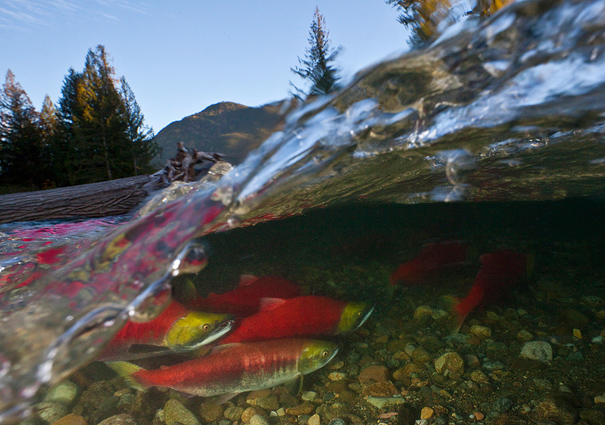
British Columbia
British Columbia
British Columbia
British Columbia
British Columbia
British Columbia
British Columbia
British Columbia